14 Questions You Might Be Refused To Ask Gas Patio Heater
Gas Patio Heater The flickering flame of a gas patio heater can add a warm, invigorating light to any outdoor space. These heaters are well-liked in restaurants and bars where the radiant heat can encourage patrons to stay longer. Select from my webpage -standing models that take up less room or tabletop units that are easy to move around. Certain models run on natural gas, while other models depend on propane tanks. Safety Patio heaters provide warmth and atmosphere to your outdoor space. They can be a wonderful addition to your backyard, but must be used with appropriate safety precautions to avoid fire dangers. Check for patio heaters that come with UL and CSA certificates and look for features like tip-over switches and auto shutoffs. Keep a fire extinguisher close to your heater, and ideally of the correct class for the fuel you use. There are many different types of gas patio heaters on the market, but it's essential to choose a model that is safe for your family. Propane gas heaters should not be used indoors or in a partially enclosed space, since they can cause carbon monoxide poisoning. When not in use they must be stored and maintained in a safe manner. Maintaining your patio heater can prolong its lifespan and provide maximum safety. During regular maintenance, ensure that all parts are working and free of damage. To prevent a buildup, you should also clean the burner and hose regularly. If you own an outdoor heater that is propane, it's important to keep the tank filled with gas. A drained propane tank can leak gas, creating a fire risk. Follow these simple safety rules to protect you and your family members when using a heating device for your patio. Always keep a fire extinguisher close to you and don't leave a heater on the patio unattended. Installing carbon monoxide detectors in your house is also an excellent idea. It is essential to select the gas patio heater that has an CSA rating. This means it has been evaluated by an independent evaluator to ensure it meets stringent standards and is safe for use in North America. Also, look for a unit with a thermocouple, which can detect temperature changes and stop the gas supply in the event that the flame goes out. Make sure you keep your gas patio heater in a dry, cool location. It is also a good idea to keep it away from furniture and other items because the heat could cause them to catch fire. Don't move your patio heater while the flame is open, as this can disrupt the flow of gas and could damage the valve or hose. Easy to assemble A gas patio heater can make your outdoor area a more comfortable place to spend your time. It produces radiant warmth that helps to combat nighttime cold and brings people together. This makes it ideal for pubs, restaurants, and bars, where patrons are more likely to hang outside and drink. It is also a great addition for homes since it provides an element of comfort and can enhance the exterior of your home. Gas patio heaters come in a variety of styles each with its own pros and pros and. The most popular type is propane. It is portable, unlike wood-burning heaters and electricity. Natural gas heaters for patios can be hooked up to the gas line of your home. They are cheaper than propane, but they aren't as mobile. Gas patio heaters come with an ignition source that burns propane, LPG or natural gas. The flames are directed against an aluminum screen with holes which reflect the heat to the ground. The hood that is used to reflect heat is typically silvered, which prevents the radiated heat from being absorbed by the material it's sitting on. It can conserve energy by preventing heat loss. 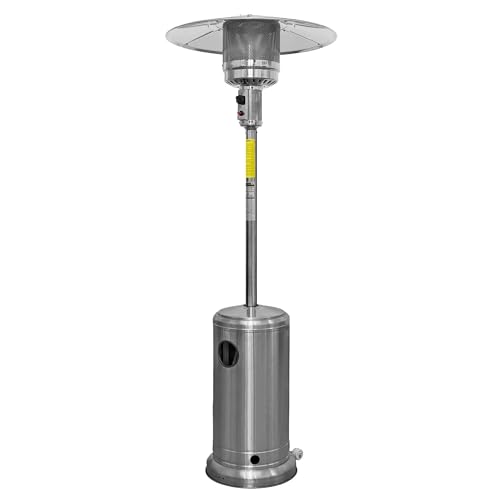 Most gas patio heaters are easy to move and light up, however certain models require more care than others. Some require an electric ignition to ignite the flame while others require you to manually ignite the pilot with the help of a lighter. Follow the manufacturer's instructions when lighting a heater for your patio to reduce the chance of carbon dioxide poisoning. Set your gas patio heater away from windows and doors in a room that is well ventilated. It should be set up so that it can't be tossed down by the wind and away from any fire-prone material. Some patio heaters come with a reservoir filled with sand or water to ensure they are solid and stable. They are also weighted down. If yours features a reservoir, you'll need to inspect it and fill it as needed. Easy to move Many gas patio heaters have wheels to enable them to be moved more easily. They also have security features, such as a tip-over shutoff and a propane tank strap. These features let you move the heater hands free and protect the unit from damage. When securing the unit to your vehicle, it's essential to make use of soft padding to avoid scratches or dents. You can also purchase a dolly to use to accomplish this. In addition to their ease of movement and mobility, the majority of gas patio heaters are able to withstand extreme weather conditions. They are typically constructed of steel, which makes them durable. They are also rust-resistant to keep them in good working order. Certain models have an insulated hood made of metal or glass to ensure they can withstand extreme temperatures. You can find heaters with an attractive stone, resin wicker, or hammered brass face. There are a myriad of kinds of gas patio heaters. Each has distinct advantages and disadvantages. Some have the traditional pyramid shape, while others are more like dome-top grills. Some are even designed to look like an actual fireplace. price of patio gas of heater you pick will depend upon the size of your room, but they all have an appealing sound. Natural-gas patio heaters can be connected to your home's gas line. This option is more costly to install but is cheaper to operate than propane. It can also produce more heat, making it more suitable for larger outdoor spaces. If you're looking for a portable patio heater that doesn't require extension cords or propane tanks, you should consider this model from Solo Stove. It runs off regular wood pellets, which are available at most hardware stores. The tank is 25 pounds and comes with an automated feed that reduces refills. This model also comes with an easy-to-use remote, and it's simple to operate. This model is perfect for covered porches or garages. It's a great choice for camping trips. Easy to install Gas patio heaters can make a huge difference in comfort and enjoyment of your outdoor space. They can help people stay outdoors longer and create lasting memories. They are also easy to set up and can be utilized in a variety of settings. The first step in putting up a patio heater with gas is to select the right one. You should consider the location, size of the area and any power sources that may be present. You will also want to ensure that there is enough space around the heater and that it is not situated near any flammable materials. Also, you must be aware of any potential gas leaks. Gas patio heaters can be a fantastic option for any outdoor space. This is particularly true during colder months. They can be able to heat up to 215 square feet of space and can be controlled remotely or on a timer. They are also more portable than electric heaters that need to be plugged in. Additionally, they can be powered by natural gas or propane cylinders. Check the BTUs rating when selecting a patio heater. The higher the BTUs the greater the warmth they'll give. Multiply the cubic feet of the patio heater by the desired temperature to determine the number of BTUs required. Gas patio heaters are also less expensive to run than other outdoor heaters. They are also less trouble to maintain and safer to use. Additionally they can be put under the ceiling and do not need to be vented, which makes them an excellent option for outdoor spaces that are partially enclosed or covered. They are available in a wide range of colors, sizes, and shapes to match any decor. It is essential to read and follow the directions provided by the manufacturer before you begin using your heater for patio use. When you are not using it, store your heater in a safe place. This will stop it from becoming blocked with dirt or bugs and will also guard it from corrosion.